Young people across the UK including the Isle of Wight are celebrating a major milestone this year as the Duke of Edinburgh’s Award (DofE) marks its 70th anniversary.
Although the Island was a bit of a late starter, starting the scheme in the 1960s the scheme began nationally in 1956. Thousands of Island teenagers and young adults have taken part, gaining skills, confidence and resilience through volunteering, physical challenges, learning new skills and outdoor expeditions.
From council‑run youth clubs to schools and voluntary organisations including Girlguiding, the Award has become a longstanding part of Island life, supporting generations of young people as they challenge themselves, give back to their communities and prepare for adult life.
As the Isle of Wight joins national celebrations in 2026, local organisers are reflecting on the programme’s lasting impact — and looking ahead to how it will continue to support young people in an increasingly uncertain world.
A few years after the DofE was launched nationally, Isle of Wight Council’s Youth and Community Service took on the licence to deliver the scheme locally.
Youth leaders were trained to supervise expeditions, teach navigation and camping skills, and support young people through volunteering, physical and skills sections of the Award.
Much of the early administration was overseen by Mary Brinton, secretary of the department, who managed registrations and issued record books.
The Island’s first Gold Award was achieved by Michael Cooper in 1963, with Suzanne Whitewood (nee Lambert) becoming the first female Gold Award holder three years later in 1966. Suzanne went on to be a Girlguiding leader encouraging Guides and Rangers to take on the challenges as well as running a DofE group in Carisbrooke College. She is still involved with the awards having volunteered with Girlguiding and DofE for over 50 years.
Growing demand saw further investment in the scheme. A grant from Prince Edward’s (then Earl of Wessex) Special Fund helped secure funding for a dedicated part‑time DofE facilitator. Prince Edward achieved his own Gold Award and now as Duke of Edinburgh heads up the scheme which was started by his Father Prince Phillip, Duke of Edinburgh.
In 1991, Carol Taverner was appointed to develop leadership training, support expeditions and oversee Awards across the Island.
Over the years, participants have come from council‑run youth clubs, voluntary youth organisations, alternative education settings and both independent and state schools.
In 2015, the DofE charity reviewed how the Award was delivered nationally, placing schools at the heart of delivery.
In response, the Isle of Wight Duke of Edinburgh’s Award Charitable Association (IOWDECA) was formed to support volunteers, teachers and leaders, share best practice and fundraise for training and activities.
Since 2002, Isle of Wight Council centres alone have facilitated 1,154 completed Awards, with a total of 233 Gold Awards achieved since the early 1960s.
Carol said the core values of the Award have stood the test of time.
“I have seen a lot of changes in the way the Award is administered, but the programme itself remains virtually the same as when I took part in 1975,” she said.
“It sets out a framework for life — encouraging young people to volunteer, take pride in their community, commit to fitness, develop skills and explore the countryside.
In today’s world of instant responses and expectations, DofE teaches patience, teamwork and the value of sustained effort. These are qualities employers really appreciate.”
Lee Matthews, Isle of Wight Council’s DofE manager, said the Award has played an important role in supporting young people locally.
“For 70 years, the Duke of Edinburgh’s Award has provided a high‑quality, challenging and rewarding programme for thousands of young people on the Island,” he said.
“With the support of dedicated volunteers, participants are encouraged to push themselves, try new things and gain skills that benefit them both now and in the future.”
As part of the anniversary year, five Island Gold Award achievers and four leaders will attend a national celebration in the gardens of Buckingham Palace on 20 May.
Those attending include Abigail Swinscoe, Megan Still and Nico Ostler from Brading Youth Club Open Award Centre, alongside Rebecca Wall and Finley Morris from Network Ryde.
Their achievements span volunteering, music, sport, art, community work and expeditions, including canoeing the Caledonian Canal in Scotland and multi‑day expeditions in challenging conditions.
A local celebration will also take place at Corf Scout Camp, Shalfleet, on 26 and 27 September.
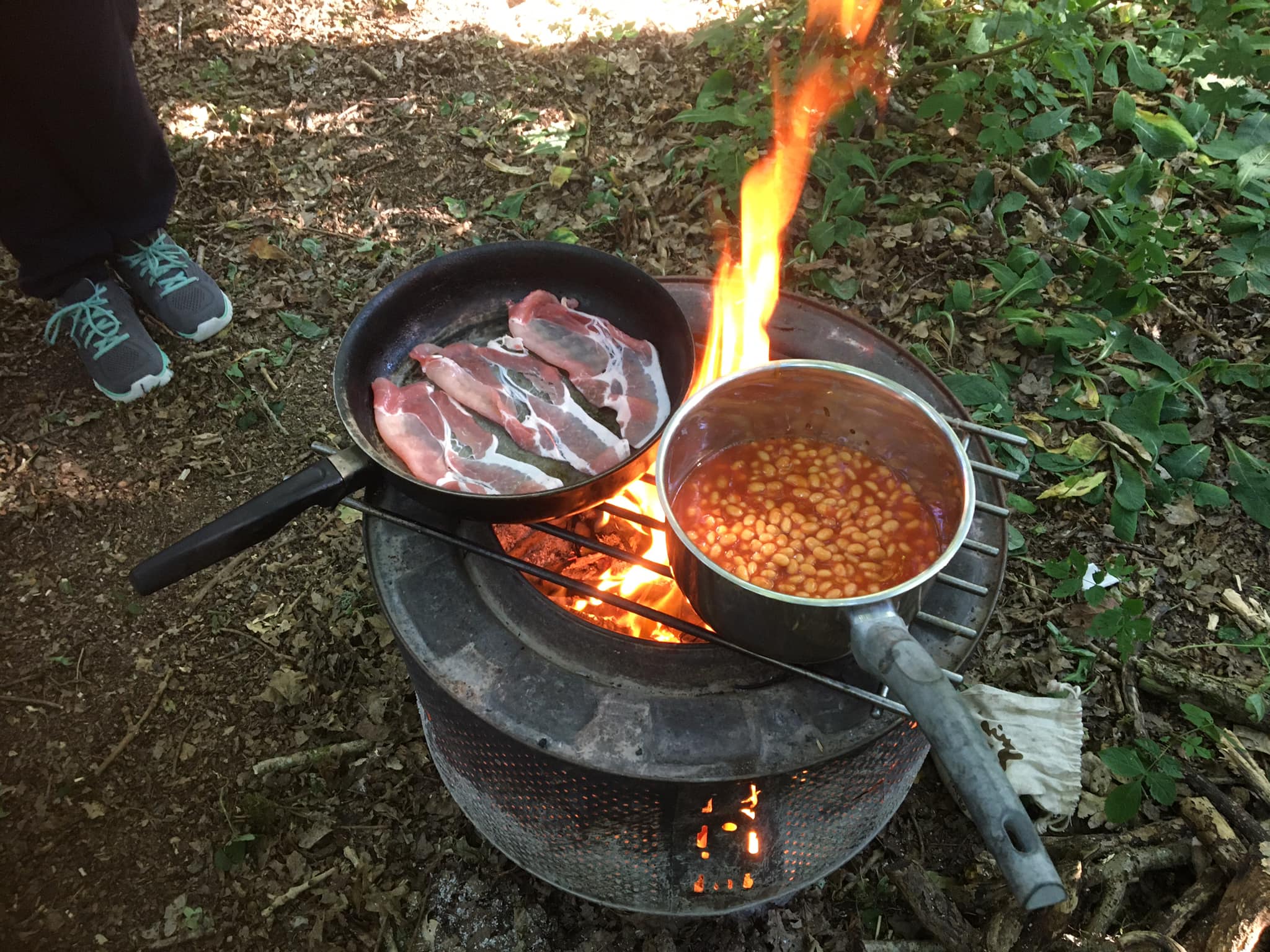
Young people and leaders from across the Island will take part in a ‘Spider Walk’ to Corf, followed by a weekend of activities including canoeing, climbing, archery, orienteering and a campfire barbecue.
Young people aged 14 to 24 can take part in the Duke of Edinburgh’s Award.
For more information, email dofe.award@iow.gov.uk